
CHINATOWN: VIBRANT, STREET FOOD & HISTORY
Hi, I’m Hannie — a Thailand Travel Specialist. I can be your Travel Planner or Travel Designer, depending on what you need. Exploring isn’t just my job; it’s my passion. I love showing travelers the best of Thailand, and today I’d like to share a walking route in Bangkok that you can easily follow on your own.
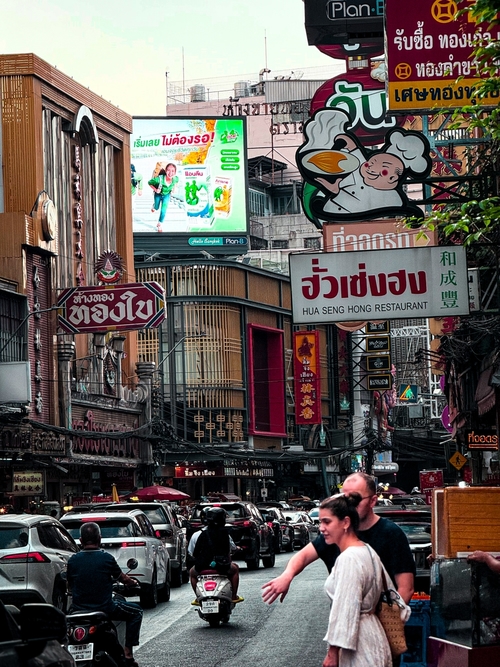
Bangkok is home to the world’s largest overseas Chinese community, and around 15% of Thais have Chinese roots woven into their family history. At the heart of it all is Chinatown (Yaowarat) — colourful, chaotic, and full of life. It’s one of the oldest neighbourhoods in the city and, for many years, it was actually Thailand’s commercial hub and Bangkok’s original nightlife district.
Today, the old opium dens and secret bars have transformed into trendy cocktail spots, cool cafes, and live-music hangouts. Locals still come here for one main reason — the food. From sizzling street stalls and tiny noodle shops to big family-run restaurants, Chinatown is a paradise for anyone who loves to eat. The markets and shopping lanes are just as lively, packed with energy from early morning until late at night.
Many travellers now choose to stay right in Chinatown because it’s full of character and super convenient. But even if you’re staying somewhere else, spending at least a day exploring the small alleys, tasting all the flavours, and soaking up the vibrant nightlife is truly a must-do in Bangkok.
This guide will highlight the must-see spots in Chinatown to help you make the most of your day. Let’s get started!
BEST TIME TO VISIT IN CHINA TOWN
Chinatown is great at any time of day — it just gives you completely different vibes.
- In the morning, the area feels more local and authentic. Markets open early, shop owners set up for the day, and you get to see the real daily life of the community. It’s vibrant in a calm, traditional way and perfect for exploring small alleys, temples, and local breakfast spots.
- In the evening, Chinatown transforms into one of Bangkok’s most exciting nightlife and street-food destinations. Bright neon lights, busy crowds, and endless food stalls create a lively, energetic atmosphere that’s fun to experience.
GETTING AROUND CHINATOWN
Getting to Chinatown is very easy. You can take the MRT (Underground train) nearby your hotel and buy a ticket to Wat Mang Kon Station, which brings you right into the heart of Chinatown
If you enjoy something a bit more fun and exciting, you can also take a tuk-tuk. A chartered ride usually costs around 200–300 THB, but you should be ready to negotiate. If you’re worried about getting overcharged, it’s safer to book a taxi through Grab or Bolt. You can also hail a regular taxi meter, but always ask the driver first to make sure they will use the meter.
THINGS TO DO IN CHINATOWN
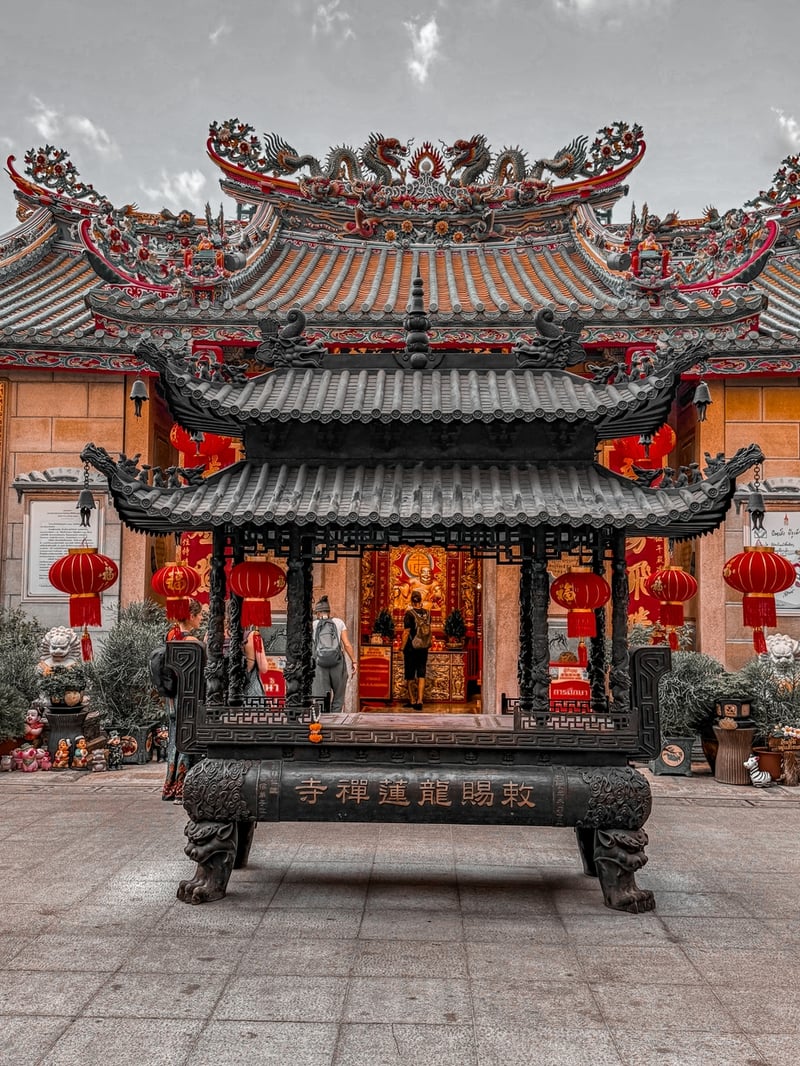
Visit Wat Mangkon (Wat Mangkon Kamalawat)
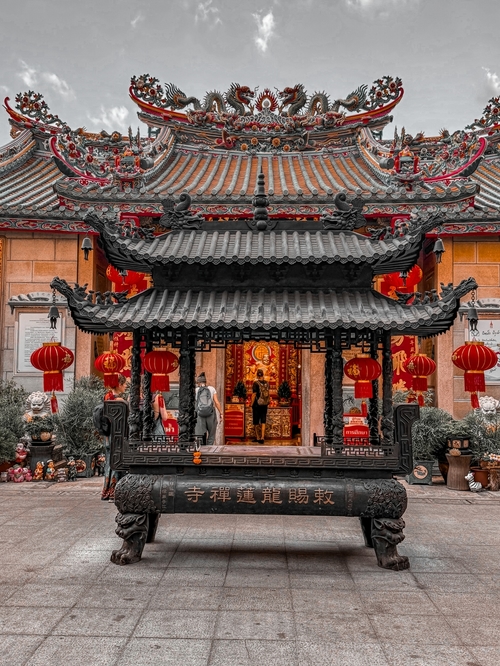
Wat Mangkon is the spiritual heart of Chinatown and one of the most important Chinese Buddhist temples in Bangkok. Built in the late 1800s, the temple blends traditional Chinese architecture with intricate carvings, red lanterns, and the scent of incense that fills the air.
This is where many locals come to pray for good fortune, health, and prosperity. During festivals like Chinese New Year or the Vegetarian Festival, the temple becomes incredibly lively but even on normal days, you’ll feel the strong cultural and spiritual atmosphere.
It’s a peaceful stop right in the middle of Chinatown’s busy streets, and a wonderful place to experience the traditions and beliefs that have shaped this community for generations.
Visit Charoen Chai Community
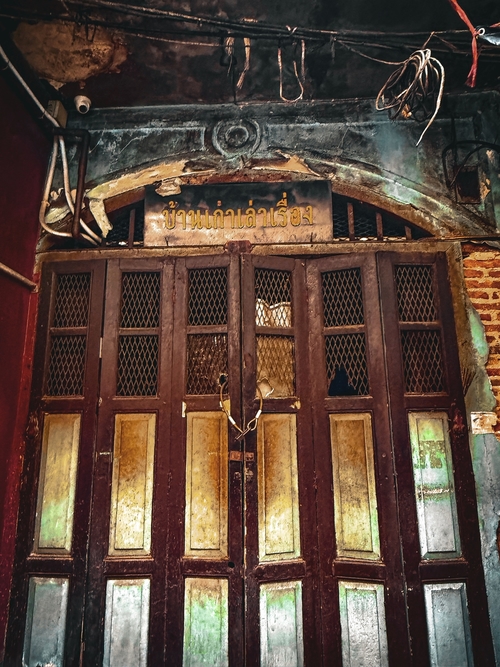
Charoen Chai is one of the oldest and most authentic communities in Chinatown. In the morning, the area feels calm, local, and full of genuine neighbourhood charm. Most residents here are old families who’ve lived and traded in this area for generations.
The shops mainly sell dried goods and traditional ingredients used in Chinese–Thai cooking. But the real highlight is the historic architecture — many of the buildings date back to the reign of King Rama V, giving the whole community a nostalgic, old-town atmosphere.
And of course… the food is amazing. Don’t miss the traditional fish maw soup, crab noodles, and shrimp wontons — some of which are Michelin-recognised and very popular among locals. If you want to experience the real heart of Chinatown, Charoen Chai is a must-visit spot.
Visit Chinatown Heritage Center and Wat Traimit
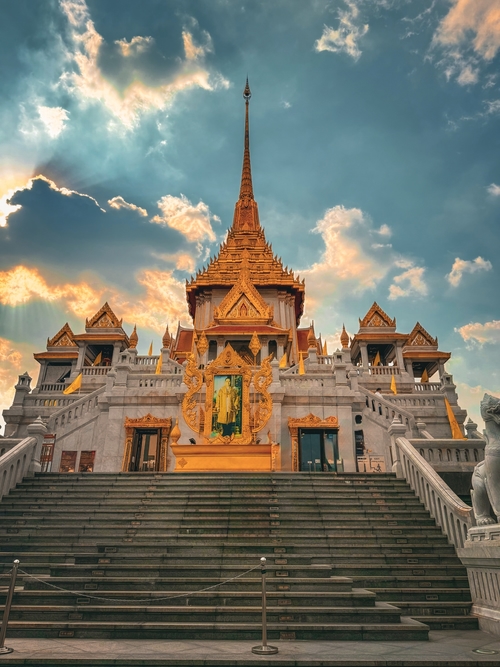
Wat Traimit, home to the world’s largest solid-gold Buddha. This beautiful temple is not only impressive to see, but it also tells the story of the early Chinese community that settled in Bangkok.
Right next door is the Chinatown Heritage Center, a small but meaningful museum that takes you back in time. Here, you’ll learn how the first Chinese immigrants lived, worked, and built the foundations of what later became Yaowarat. The exhibits are immersive and beautifully presented — perfect for understanding the roots of Chinatown before you explore the area. It’s a great first stop to get the full picture of the history, culture, and people that shaped this vibrant neighbourhood.
Stop at Odean Circle — and Turn 3 Times for Good Luck
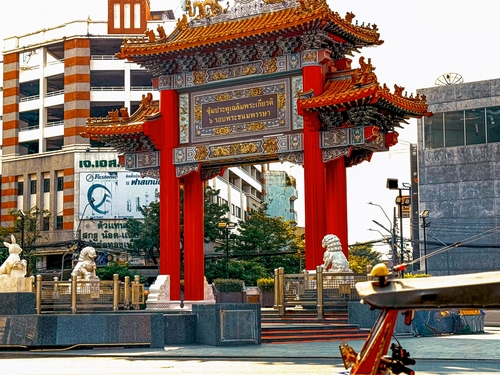
Odean Circle is the iconic red gate that marks the entrance to Chinatown. It’s one of the most photographed spots in Yaowarat and a symbolic gateway to the Thai-Chinese community.
Locals believe that if you stand in front of the gate and turn around three times, it brings good luck and positive energy. It’s a light-hearted tradition, but a fun one to try — especially if you’re already here for photos!
Stop for Local Breakfast at Easae (Thai-Style Coffee Shop)
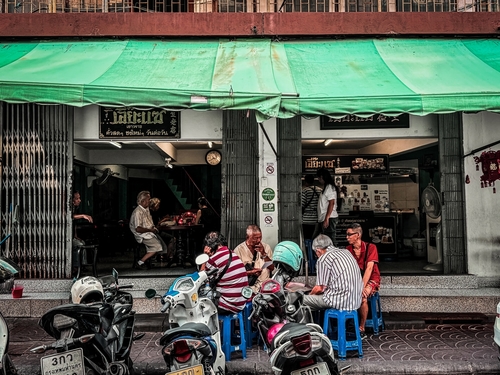
Take a break at Easae, one of the classic Thai-style coffee shops in Chinatown. This place has been loved by locals for generations — the kind of spot where people gather for a simple breakfast, morning chats, and a slow start to the day.
Order a traditional Thai coffee or tea, pair it with toast, soft-boiled eggs, or local breakfast dishes, and enjoy the old-school atmosphere. It’s a great way to experience the everyday life of Chinatown and taste the flavours locals grew up with.
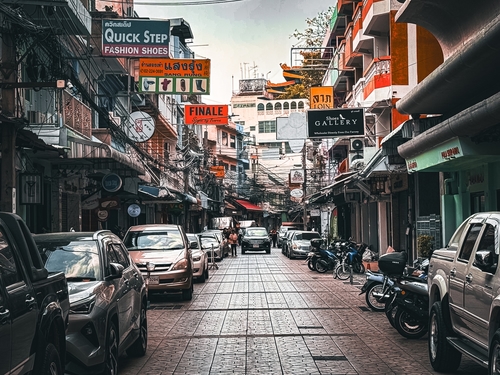
Visit Sampheng Market — The Heart of Chinatown’s Wholesale Scene
Sampheng Market is one of the busiest and most exciting wholesale markets in Bangkok. It’s a maze of narrow lanes packed with shops selling everything from fabrics, accessories, souvenirs, and fashion items to snacks and household goods — all at wholesale prices.
The atmosphere is lively, colourful, and full of local energy. Whether you want to shop, explore, or simply experience the hustle and bustle of Chinatown’s trading culture, Sampheng is a must-visit.
Visit Tang Toh Kang Gold Museum
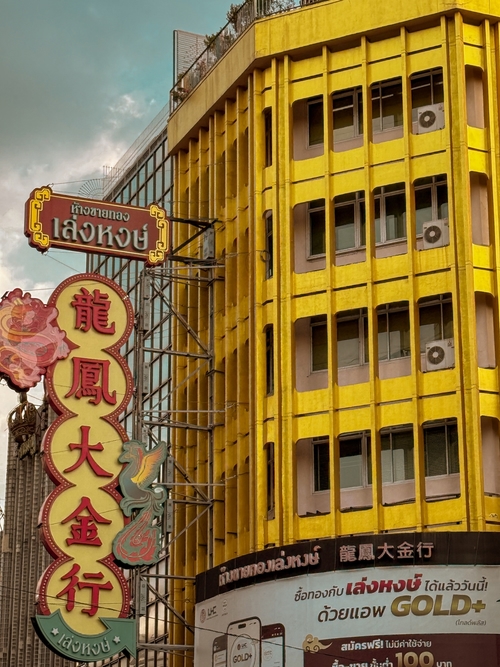
Discover one of Chinatown’s hidden gems — the Tang Toh Kang Gold Museum. This small but fascinating museum showcases the history of one of Bangkok’s oldest gold shops and tells the story of Chinatown’s long-standing gold-trading culture.
Inside, you’ll find old tools, historic gold pieces, family stories, and beautifully preserved displays that show how gold craftsmanship has been passed down through generations. It’s a meaningful stop if you want to understand the cultural and economic roots of Yaowarat.
Visit Chinatown Main Market
Chinatown’s main market is the lively heart of Yaowarat, it’s a place where colours, aromas, and local life all come together. Walk through the bustling lanes and you’ll find everything from fresh produce, herbs, and snacks to daily-use items and traditional Chinese ingredients.
It’s busy, energetic, and full of character, giving you a real taste of the community’s everyday life. Whether you’re browsing, tasting, or simply soaking in the atmosphere, the main market is a must-stop for anyone wanting to experience the true rhythm of Chinatown.
BEST FOODS TO TRY IN CHINA TOWN
- Khun Ya Cuisine Simple and affordable Thai lunch spot located inside the Wat Traimit compound. Best to come early.
- Thanon Phadungdao Lively street filled with reasonably priced restaurants and plenty of outdoor seating. Busy every night.
- Hua Seng Hong Tourist-friendly but consistently good. Popular for its dim sum and roast duck.
- Potong Michelin-starred Thai–Chinese fine-dining restaurant set inside a beautifully restored historic building in the heart of Chinatown.
- 80/20 Modern Thai-fusion fine dining with a creative seasonal tasting menu. Another Michelin-starred favourite in Chinatown.
WHERE TO STAY IN CHINATOWN
Tian Tian Hostel Budget-friendly, modern, and social. Great for travellers who want a simple stay close to Yaowarat.
Baan 2459 Beautiful heritage guesthouse tucked inside a quiet lane. Charming rooms with a vintage feel.
Marlowe–Tony Home Small, stylish boutique stay with warm hospitality and cosy interiors. Perfect for a relaxed visit.
W22 by Burasari Trendy, comfortable, and great value. A good mid-range option with a youthful vibe.
Shanghai Mansion Hotel Classic Chinatown favourite. Chinese-inspired décor, bold colours, and lots of character. Best for travellers who want something unique.
CHINATOWN WALKING TOUR Start your walk at Charoen Chai Community, one of the oldest neighbourhoods in Bangkok, and wander through its small alleys, stopping for fish maw soup, crab noodles, shrimp dumplings and a bowl of local lod chong. Continue to Wat Mangkon, the most important Chinese temple in the area, then make your way to Wat Traimit and the Chinatown Heritage Center, where you can learn about the origins of the Chinese community in Bangkok. Walk a little further to Odean Circle for a quick photo stop before heading to Easae, a classic Thai-style coffee shop, for local coffee and buns. From here, stroll through the busy lanes of Sampheng Market and drop by the Tang Toh Kang Gold Museum. End your day at the main Chinatown market on Yaowarat Road, exploring the street food stalls and soaking up the lively evening atmosphere.